Have you ever spent hours researching book ideas only to feel overwhelmed by all the possibilities?
One minute you’re considering gratitude journals, the next you’re looking at puzzle books, wellness planners, children’s activity books, business workbooks, and dozens of other options. With so many niches available, how do you know which one is worth pursuing?
Choosing your niche is one of the most important decisions you’ll make as a self-publisher. A good niche can help your books attract buyers, build a loyal audience, and create long-term income opportunities. A poor niche, on the other hand, can leave you struggling to gain visibility even with a high-quality product.
The good news is that you don’t need to guess. By understanding market demand, customer needs, and emerging trends, you can choose a niche that gives your publishing business a strong foundation. In this guide, we’ll explore some of the most profitable book niches for 2026 and how to identify the best opportunities for your publishing goals.
Why Choosing a Niche Matters
Many beginners make the mistake of creating books in random categories.
Successful self-publishers often focus on a specific audience or topic area.
Benefits of choosing a niche include:
- Easier product creation
- Stronger branding
- Better audience targeting
- More repeat customers
- Faster publishing decisions
Instead of publishing one journal about gardening, one planner about fitness, and one workbook about business, many successful publishers focus on one category and build a collection of related products.
What Makes a Profitable Niche?
A profitable niche typically has three characteristics:
Demand
People are actively searching for products in the category.
Competition
Competition exists because books are selling, but it’s not impossible to enter.
Longevity
The niche remains relevant throughout the year.
The best opportunities often sit between extremely competitive categories and niches with little buyer interest.
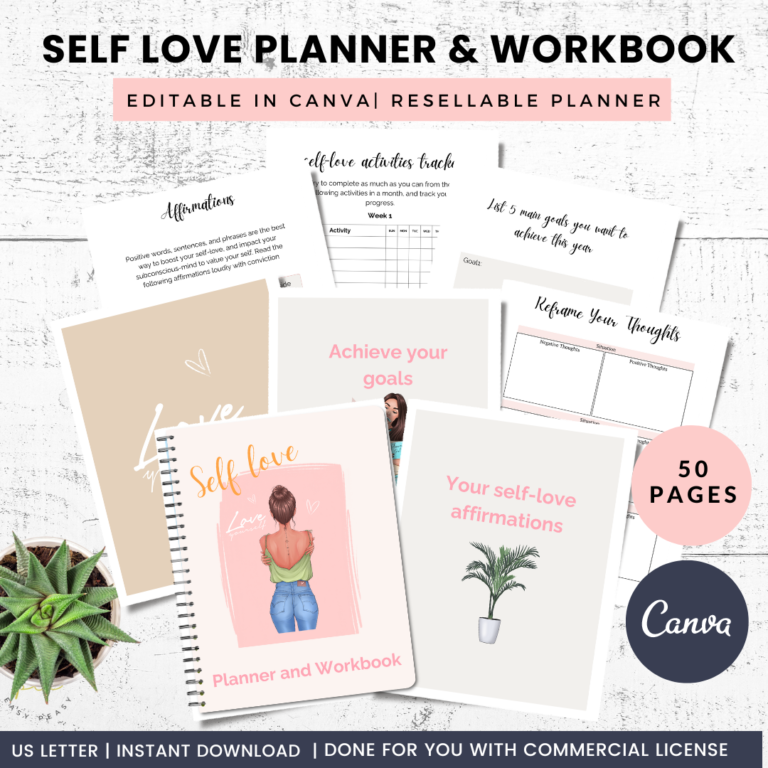
Wellness and Self-Care Books
The wellness market continues to grow each year.
Popular examples include:
- Gratitude journals
- Self-care planners
- Habit trackers
- Mood journals
- Meditation logs
- Wellness workbooks
- Anxiety journals
- Sleep trackers
Why it works:
People are continually looking for ways to improve their health, productivity, and overall well-being.
Productivity and Goal-Setting Books
Productivity remains one of the strongest publishing categories.
Popular products include:
- Goal planners
- Daily planners
- Time-blocking journals
- Habit trackers
- Business planners
- Project management workbooks
Why it works:
Consumers actively invest in tools that help them stay organized and productive.
Budgeting and Personal Finance Books
Financial planning remains a high-demand category.
Examples include:
- Budget planners
- Debt payoff trackers
- Savings challenge books
- Expense logs
- Financial goal journals
Why it works:
People continually seek practical tools to improve their financial situations.
Activity Books for Children
Parents are always searching for screen-free activities.
Popular examples include:
- Coloring books
- Mazes
- Word searches
- Dot marker books
- Scissor skills activities
- Learning workbooks
Why it works:
Children’s activity books sell year-round and often perform well during holidays and school breaks.
Puzzle Books
Puzzle books remain one of the most popular KDP categories.
Examples include:
- Sudoku books
- Crossword puzzles
- Word searches
- Logic puzzles
- Trivia books
Why it works:
Puzzle enthusiasts frequently purchase multiple books throughout the year.
Hobby and Interest Journals
Hobby niches can be highly profitable because they attract passionate audiences.
Examples include:
Gardening Journals
Track planting schedules, harvests, and garden layouts.
Reading Journals
Book reviews, reading challenges, and TBR trackers.
Pet Care Journals
Track appointments, vaccinations, and pet milestones.
Travel Journals
Vacation planning and memory recording.
Why it works:
Passionate hobbyists often purchase niche-specific products.
Fitness and Health Trackers
Health-focused products continue to perform well.
Examples include:
- Weight loss trackers
- Walking journals
- Fitness planners
- Meal planners
- Water intake trackers
- Workout logs
Why it works:
Many consumers prefer written tracking systems to support personal goals.
Business and Entrepreneur Books
Entrepreneurs are willing to invest in tools that help grow their businesses.
Examples include:
- Content planners
- Marketing workbooks
- Business journals
- Goal-setting planners
- Social media trackers
Why it works:
Business audiences often have higher spending power and ongoing needs.
Teacher and Education Resources
Education remains a strong niche for self-publishers.
Popular products include:
- Lesson planners
- Classroom trackers
- Reading logs
- Student goal journals
- Homeschool planners
Why it works:
Teachers and parents regularly purchase organizational resources.
Wedding and Event Planning Books
Special event products continue to perform well.
Examples include:
- Wedding planners
- Bridal journals
- Party planning books
- Baby shower organizers
Why it works:
Buyers are often highly motivated and actively seeking solutions.
Seasonal Book Opportunities
Seasonal products can generate strong short-term sales.
Examples include:
Christmas
- Holiday planners
- Gift trackers
- Activity books
Back to School
- Student planners
- Homework trackers
Summer
- Travel journals
- Activity books
Halloween
- Coloring books
- Puzzle books
Seasonal books work best when combined with evergreen products.
How to Research Niche Demand
Before creating a book, validate demand.
Research using:
Amazon Search
Type niche keywords into Amazon and examine suggestions.
Best Seller Rankings
Review top-selling books within your category.
Pinterest Trends
Pinterest can reveal growing interests and seasonal trends.
Etsy
Analyze related digital products and customer reviews.
Google Search
Look for recurring questions and pain points.
Signs a Niche May Be Too Competitive
Watch for these warning signs:
- Thousands of nearly identical books
- Dominant publishers controlling search results
- Generic categories with little differentiation
This doesn’t mean you should avoid the niche entirely.
Instead, look for sub-niches.
Example:
Instead of a general gratitude journal, consider:
- Gratitude Journal for Teachers
- Gratitude Journal for Moms
- Gratitude Journal for Teen Girls
Specific audiences often lead to stronger results.
Finding Your Unique Angle
You don’t need to invent a completely new idea.
Instead, improve existing products.
Consider:
- Better design
- Better organization
- More pages
- Additional tracking features
- Niche-specific content
Small improvements can make a significant difference.
Amazon Products That Support Pinterest Creators
- Content planning desk planner
- Productivity planners
- Blue light blocking glasses
- Ergonomic office chair
- Ring light for content creation
These products naturally align with content creators, bloggers, Etsy sellers, and online entrepreneurs
Common Beginner Mistakes
Following Trends Blindly
Not every trend becomes a profitable niche.
Ignoring Competition
Research competitors carefully.
Choosing Too Broad a Topic
Specific niches often perform better.
Creating Without Validation
Always confirm demand before investing time.
Switching Niches Too Frequently
Consistency often leads to stronger long-term growth.
Frequently Asked Questions
What is the most profitable KDP niche?
There is no single best niche, but wellness, productivity, budgeting, activity books, and journals continue to perform strongly.
Should I choose a niche I enjoy?
Yes. Interest in the topic often helps maintain long-term motivation.
How many niches should I publish in?
Most beginners benefit from focusing on one niche initially.
Can low-content books still make money in 2026?
Yes. Well-designed products targeting specific audiences continue to sell.
How do I know if a niche is profitable?
Look for demand, existing sales, positive reviews, and opportunities for improvement.
Ready to Choose Your Publishing Niche?
The best niche isn’t necessarily the one with the highest sales volume. It’s the one that combines demand, opportunity, and your ability to create valuable products for a specific audience.
Start by researching a few categories that interest you. Analyze customer needs, identify gaps in the market, and create products that genuinely help people achieve their goals. Whether you choose wellness journals, budgeting planners, children’s activity books, or business workbooks, your niche can become the foundation of a profitable publishing business.
Remember, every successful publisher started with one book and one niche. Your publishing journey begins with the decision you make today.
Click To Find out more….